Promoting Health Awareness, Early Detection, and Staff’s Wellbeing
October 2, 2026
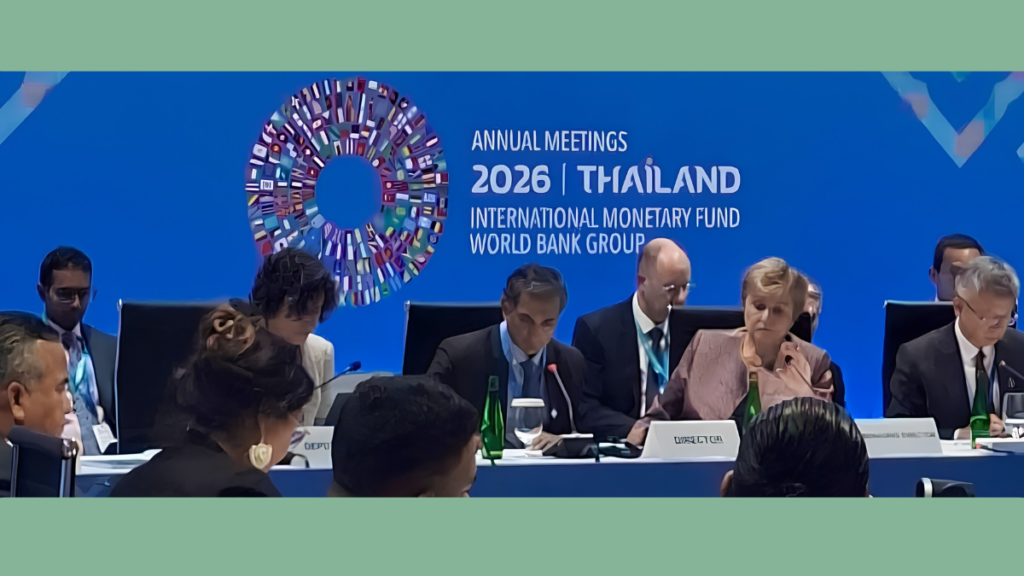
Finance Minister Calls For Science-Based Climate Action, Stronger Multilateral Cooperation and Adaptation Support
October 13, 2026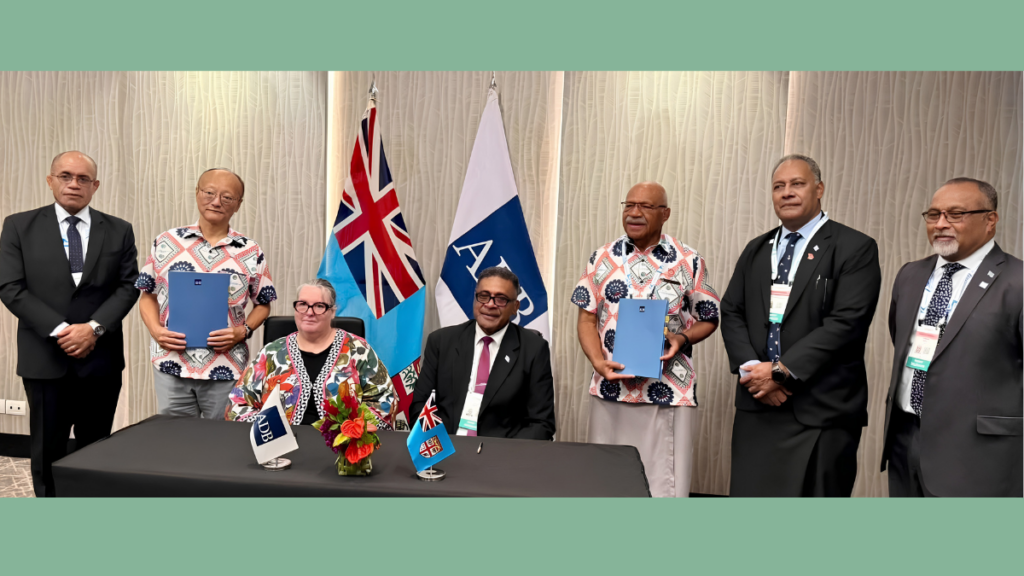
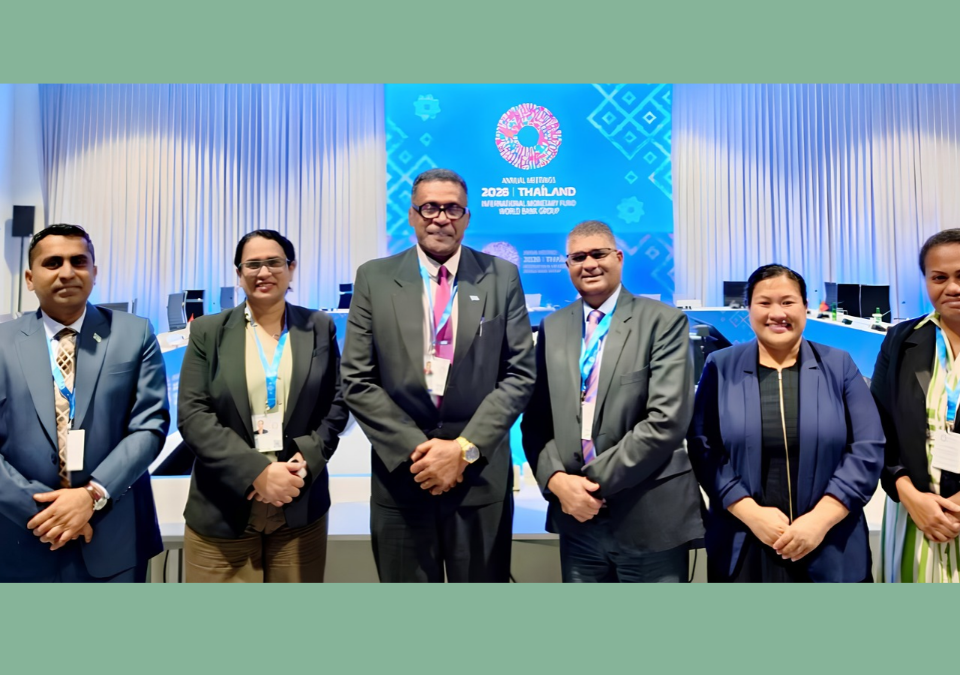
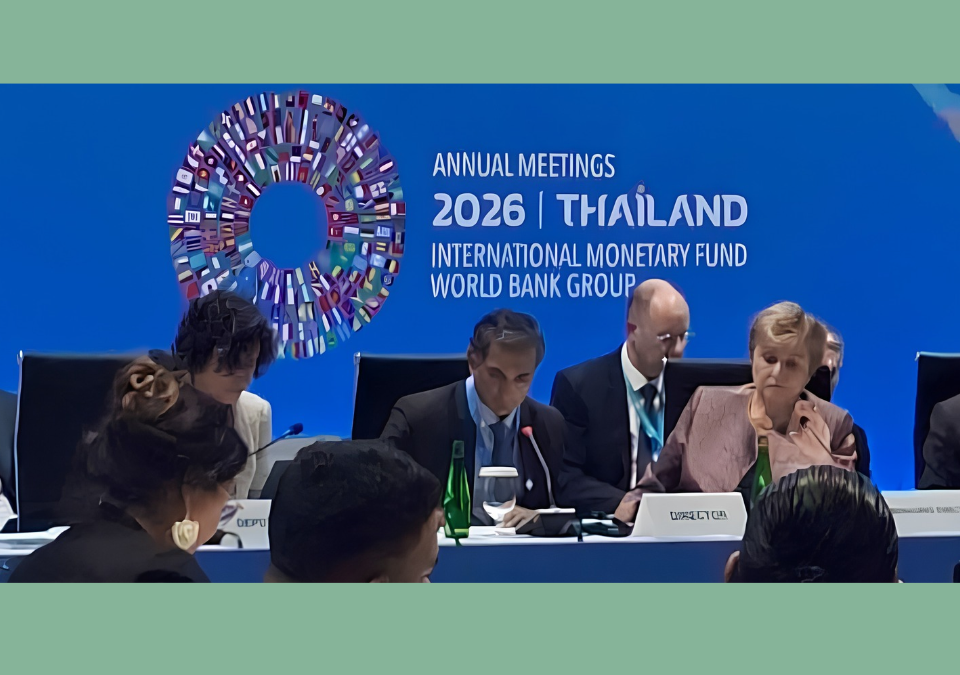
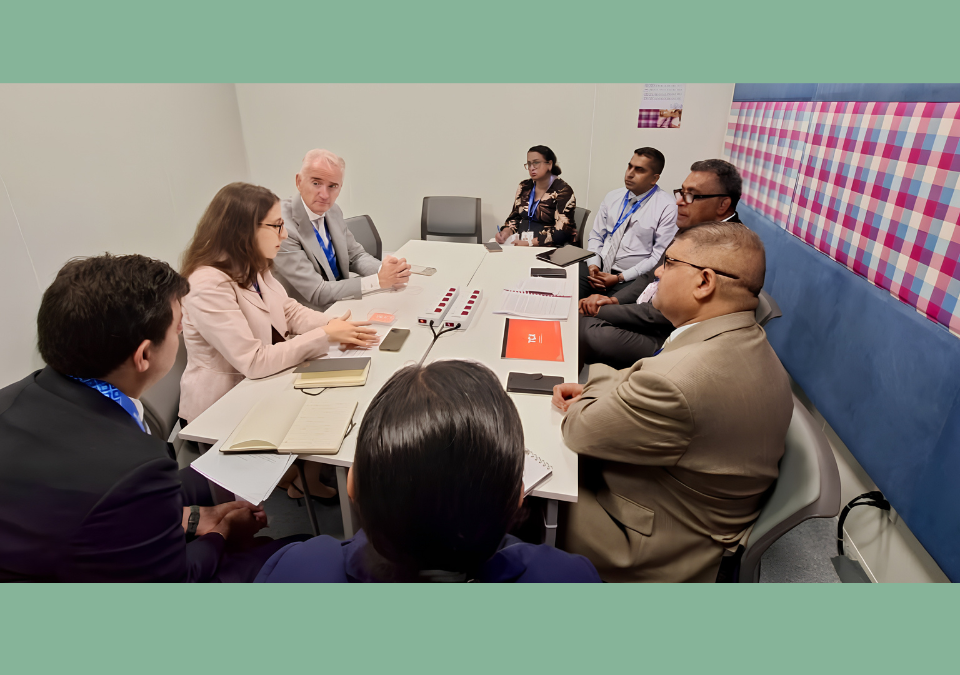
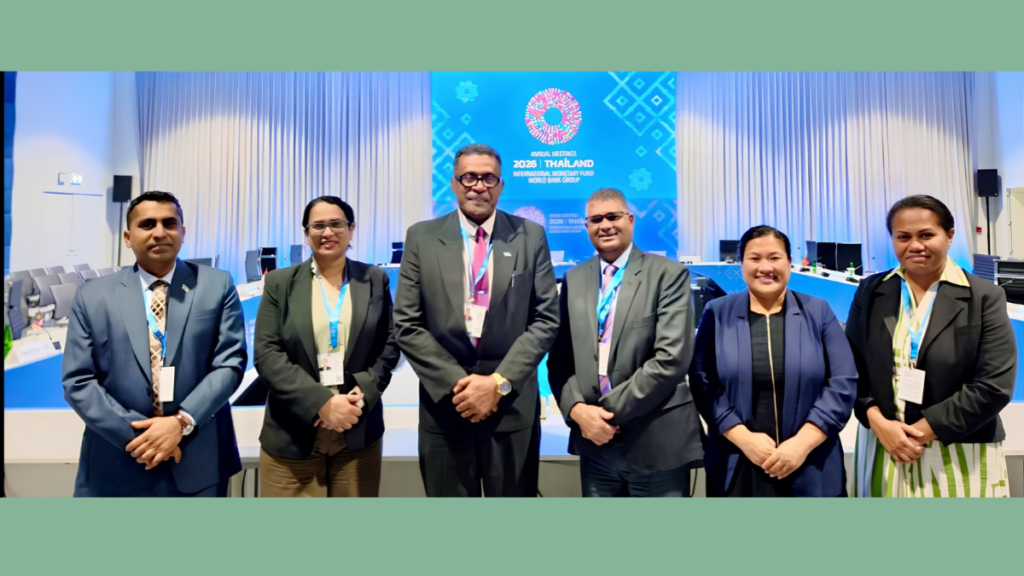
The Minister for Finance Hon. Esrom Immanuel and Ministry officials participated in pre-COP31 discussions focused on strengthening climate resilience and expanding access to finance across the Pacific.
At the invitation of the World Bank, the Minister joined a panel discussion titled “Building Resilience Without Sacrificing Growth: Pathways for the Pacific.”
The discussion drew on the World Bank Group’s Country Climate and Development Reports for Fiji, Kiribati, Tuvalu and the Republic of the Marshall Islands. It explored how Pacific countries can strengthen climate resilience while supporting economic growth through investments in infrastructure, tourism, fisheries, human capital, clean energy and ecosystem protection.
Government representatives, World Bank Group experts and Pacific stakeholders also discussed climate finance, governance and practical steps to implement these priorities.
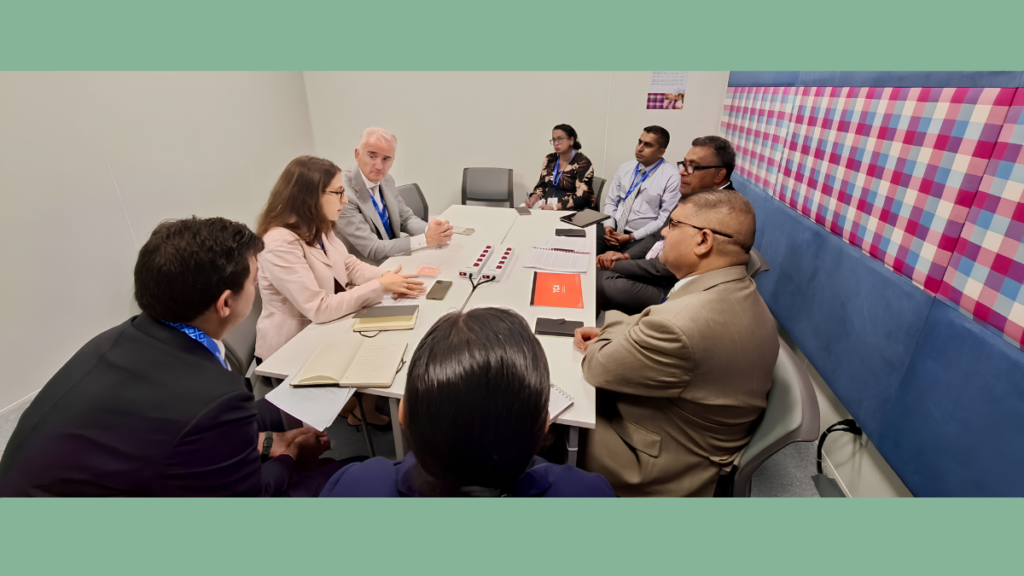
The Minister attended a bilateral meeting between the Honourable Prime Minister, Hon. Sitiveni Rabuka, and Asian Development Bank (ADB) President, Mr Masato Kanda.
The meeting highlighted the importance of continued dialogue and ADB’s support for Fiji and the wider Pacific, particularly in infrastructure development.
Following the meeting, the Minister for Finance and ADB Director General for the Pacific Department, Ms Emma Veve, signed an agreement.
Ministry officials also attended the KPMG-organised side event, “From Ambition to Investment: Financing Pacific Infrastructure.”
The Ministry was represented by the Manager of the Debt Management Unit, Ms Sisilia Nalaide, and the Manager of the Infrastructure Sector, Mr Tevita Tuibau.
The event brought together government representatives, development partners, financiers and private sector leaders to discuss ways to attract investment in sustainable and climate-resilient infrastructure across the Pacific.
The team also attended the plenary session, “Vulnerable to Investable: Reimagining Finance for the Pacific.”
The session explored ways to strengthen climate readiness and increase financing for national and regional priorities.
Discussions focused on expanding financing beyond public funds by attracting private investment, philanthropic support and blended finance, which combines public and private funding.
Participants included representatives from climate funds, philanthropic organisations, the private sector, civil society and development partners.