Promoting Integrity and Accountability in The Public Service
October 15, 2026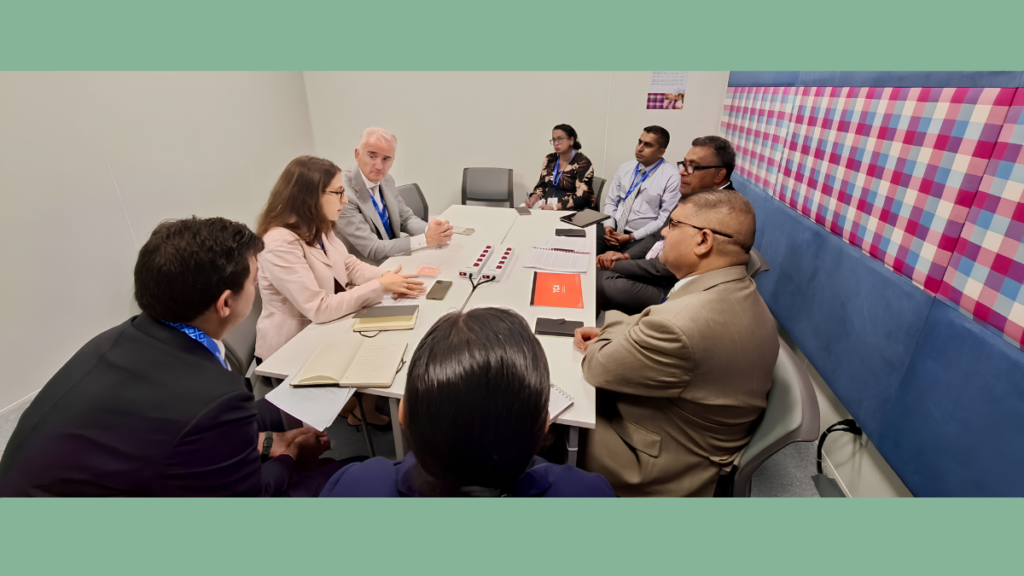
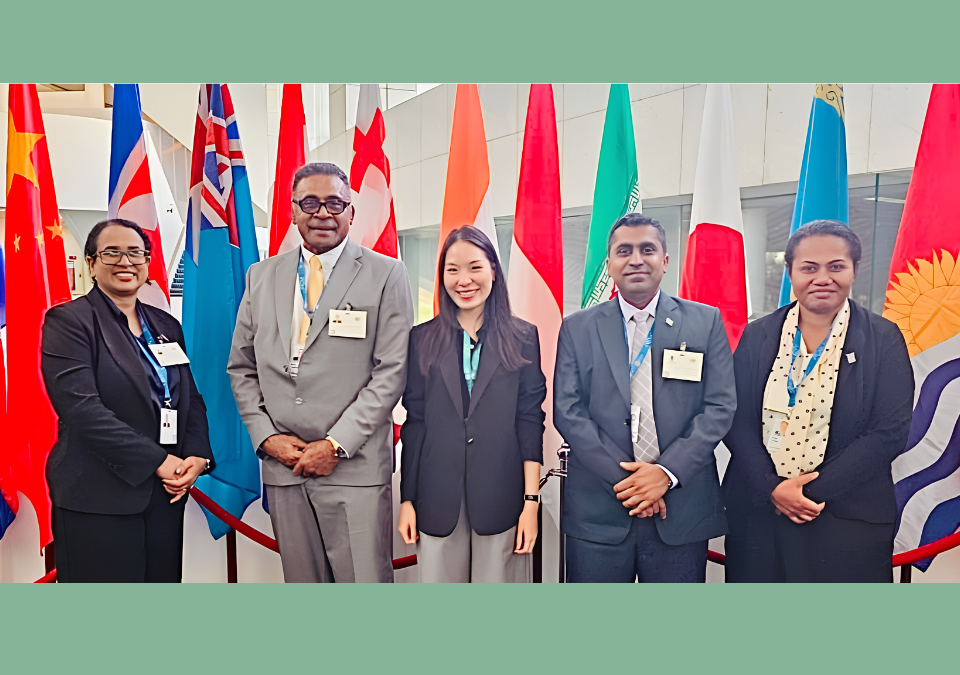
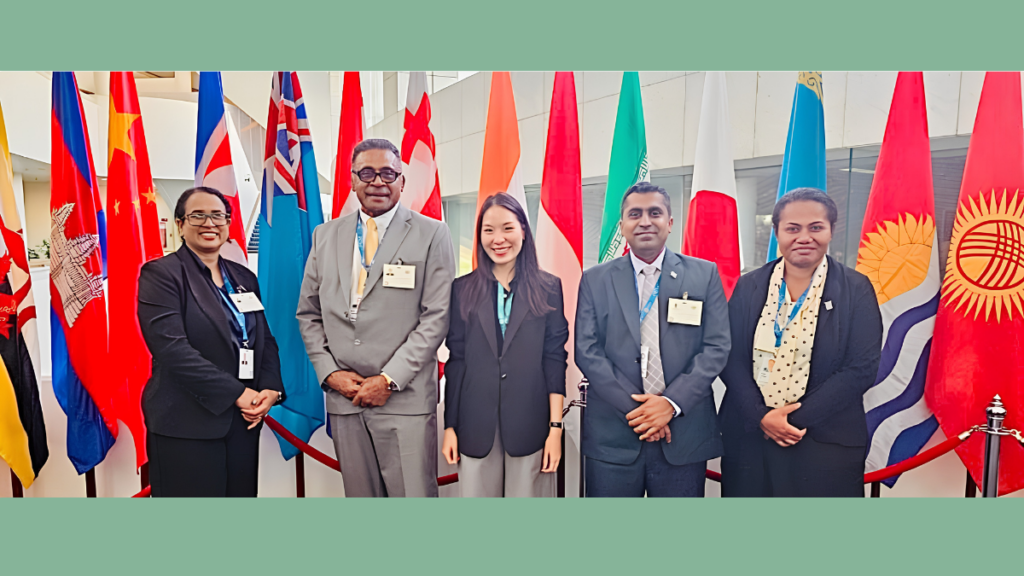
The Fijian delegation, led by the Minister for Finance, Hon. Esrom Immanuel, participated in high-level strategic engagements with the IMF team during Day 2 of the 2026 IMF and World Bank Annual Meetings in Thailand.
The Minister reaffirmed Fiji’s appreciation for its longstanding partnership with the IMF and outlined the Government’s efforts to strengthen fiscal sustainability while supporting economic growth amid rising global uncertainties. Faced with global economic uncertainties, rising inflation, and severe climate vulnerabilities, the Fijian Government reinforced its commitment to fiscal discipline, private sector growth and fiscal reforms to safeguard the nation’s long-term economic resilience.
The discussions with IMF highlighted the region’s mixed economic outlook, with growth supported by resilient trade and the global artificial intelligence (AI) boom but constrained by energy shocks and geopolitical tensions with Pacific Island economies remain particularly vulnerable to these external pressures.
Fiji’s economic growth is projected at 1.5% in light of the global energy shock, inflation and the war in Ukraine, impact of the El-Nino, though a strong tourism rebound and robust remittances could elevate growth to around 2%. Inflation has reached 6.8%, driven heavily by rising fuel prices, taxes and utility costs.
The IMF Director discussed Fiji’s ising debt levels, post-pandemic fiscal consolidation needs and increasing debt-servicing costs across the region. Fiji’s twin deficits, comprising the fiscal and current account deficits, were also highlighted as significant challenges amid tightening global financial conditions.
The Hon Minister reaffirmed Fiji’s medium-term target to reduce the fiscal deficit toward 3% of GDP through strict expenditure restraint and public sector efficiency. The IMF emphasized moving away from broad-based subsidies toward targeted assistance to shield vulnerable communities from cost-of-living pressures. The discussions also focused on tax and revenue reforms and for Government to evaluate crucial structural reforms.
Minister Immanuel reaffirmed the Government’s medium-term objective of reducing the fiscal deficit towards 3% of GDP through expenditure restraint, improved efficiency and sustainable economic growth.