Fiji And Pacific Leaders Call on IMF for Flexible Support to Navigate Global Polycrisis
October 16, 2026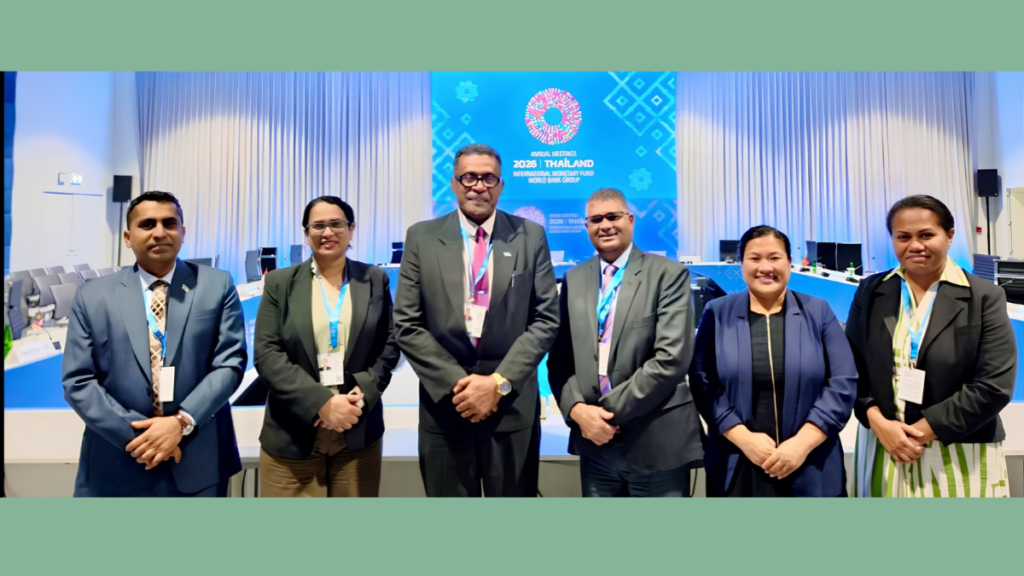
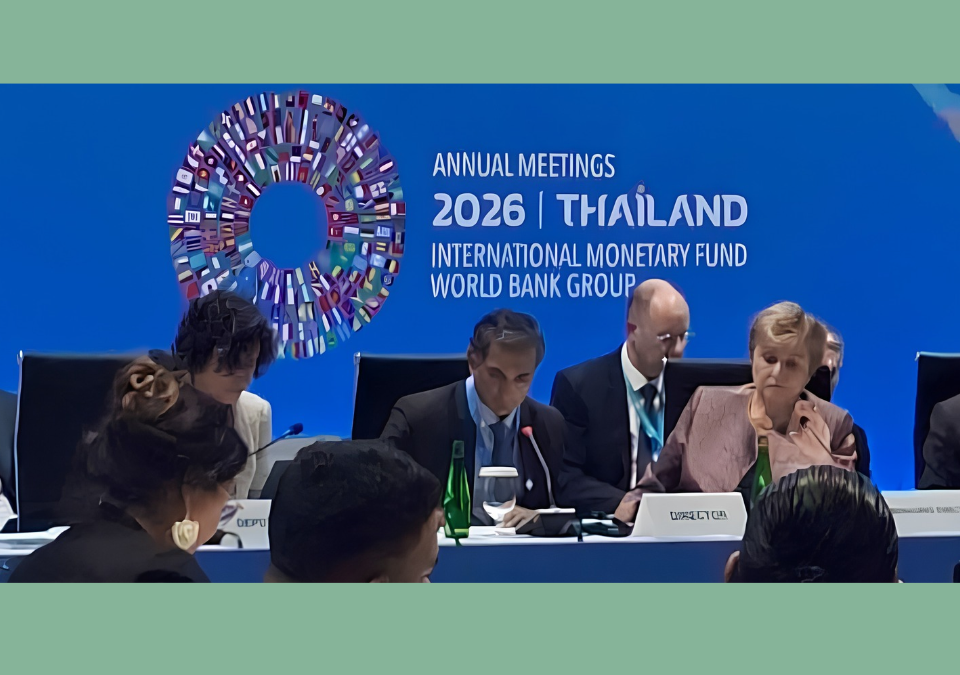
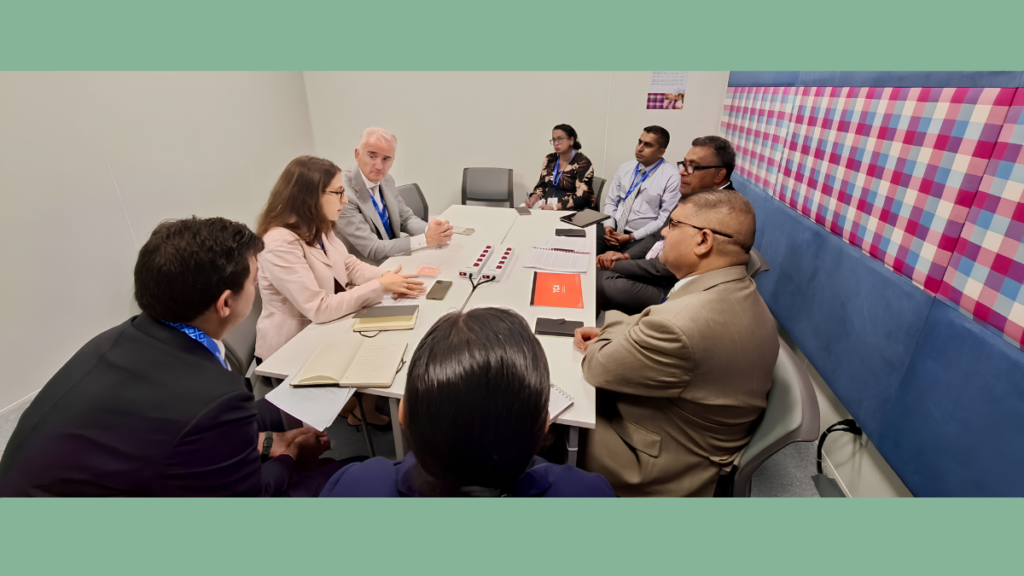
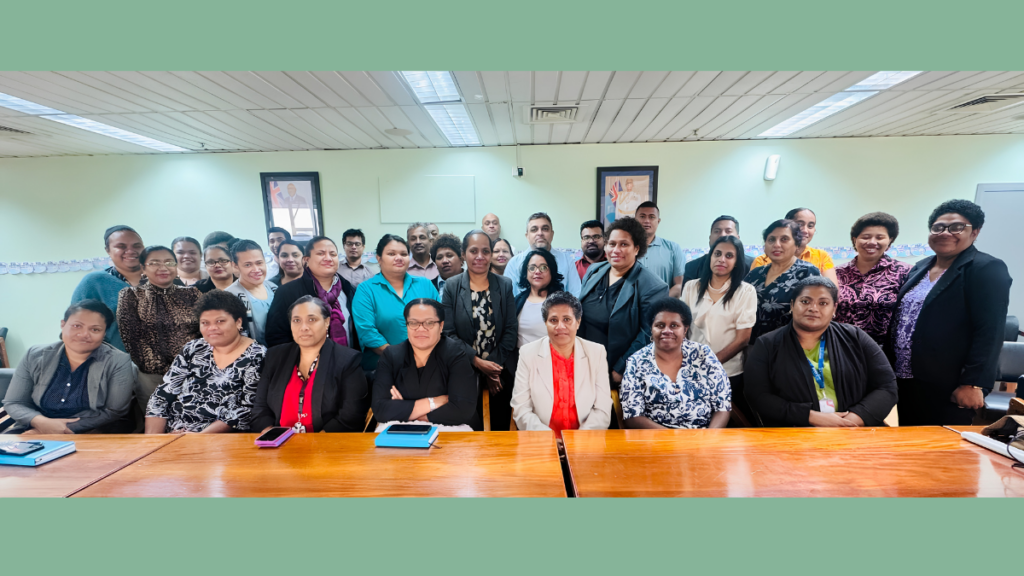
The Minister for Finance, Hon. Esrom Immanuel and delegation joined the IMF/World Bank Plenary session in Bangkok, Thailand.
Global economic and financial leaders have called for stronger economic resilience, sound fiscal management and practical international cooperation in response to growing global challenges, including geopolitical tensions, climate change, energy supply disruptions and advances in artificial intelligence.
IMF Managing Director Ms. Kristalina Georgieva highlighted the resilience of the global economy, while cautioning that energy shocks, geopolitical uncertainty and inflationary pressures continue to weigh on growth prospects. She emphasised the importance of rebuilding fiscal buffers, strengthening domestic revenue mobilisation and improving public financial management to ensure economies are better prepared to withstand future shocks.
Meanwhile, World Bank Group President Ajay Banga underscored the urgent need to accelerate job creation and expand economic opportunities for the approximately 1.2 billion young people expected to enter the workforce over the coming years. The World Bank Group highlighted the importance of mobilising public resources, private investment and philanthropic capital, alongside the practical application of artificial intelligence, to expand access to essential services, including energy, clean water and healthcare, while supporting micro, small and medium-sized enterprises.
Minister Immanuel then participated in the Small States Forum in where the World Bank Group Small States Strategy were discussed. He highlighted that for small island nations like Fiji, the strategy arrives at a critical juncture. The primary developmental challenge has shifted beyond simply generating short-term economic activity; the focus is now on creating productive, sustainable, and climate-resilient jobs within markets restricted by isolation and limited economies of scale.
Furthermore, the Hon. Minister joined the Human Capital Ministerial Conclave, where he emphasised the importance of investing in human capital to strengthen economic resilience and prepare for the AI revolution. Despite significant investment in education and health, challenges such as skilled worker migration and emerging social issues continue to affect communities. Harnessing the benefits of AI requires stronger digital infrastructure, skills development, lifelong learning and partnership between Governments, employers and education providers. He also highlighted the importance of regional cooperation to develop shared digital training platforms and AI capabilities, ensuring that technological advancement strengthen human capital, creates better livelihoods and expands opportunities across the Pacific.