
Fiji Discusses Fiscal, Debt Management Reforms At 2026 IMF and World Bank Annual Meetings
October 15, 2026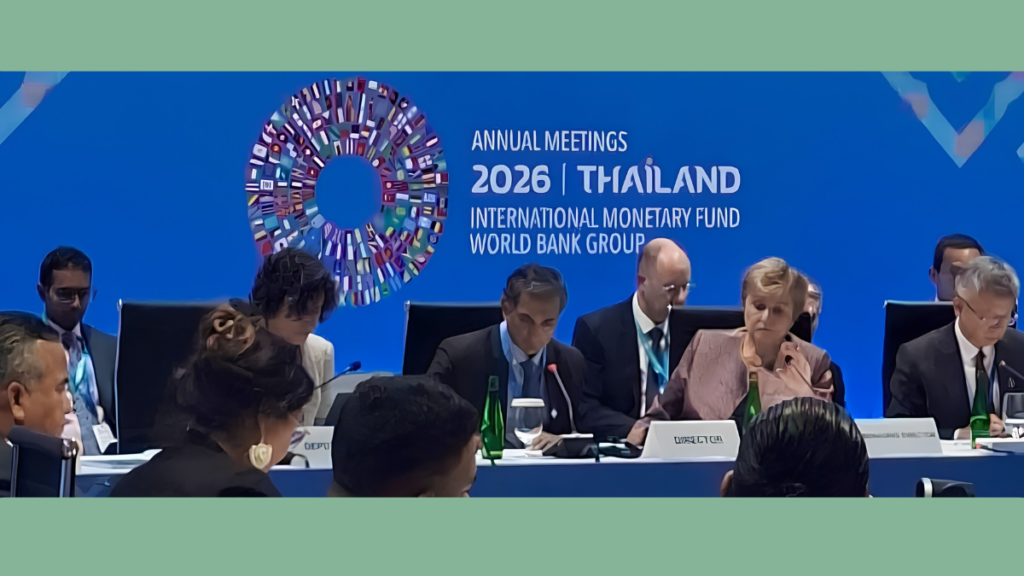
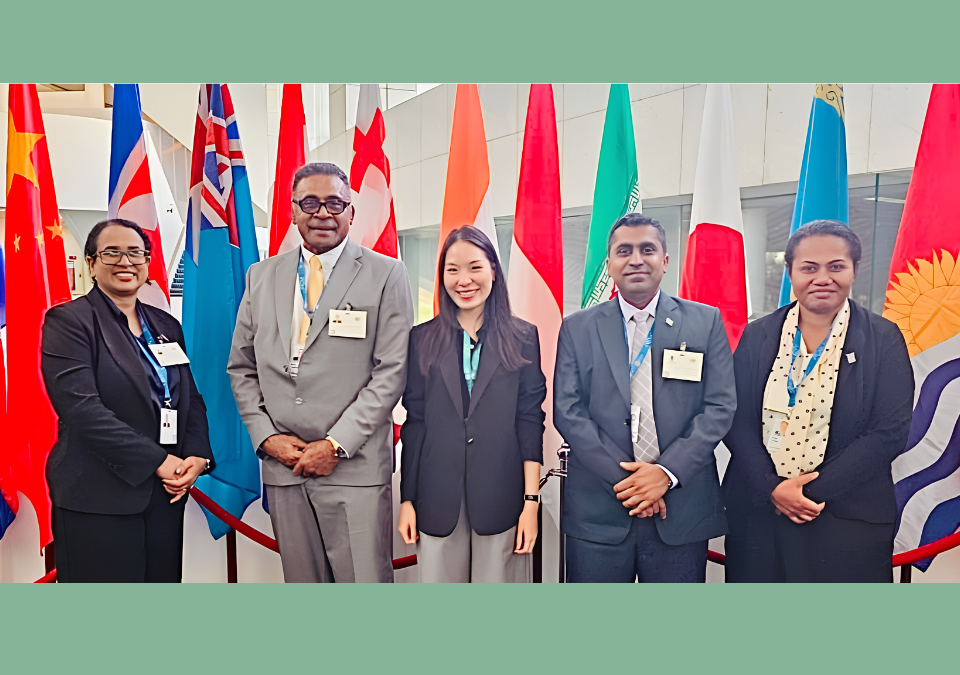
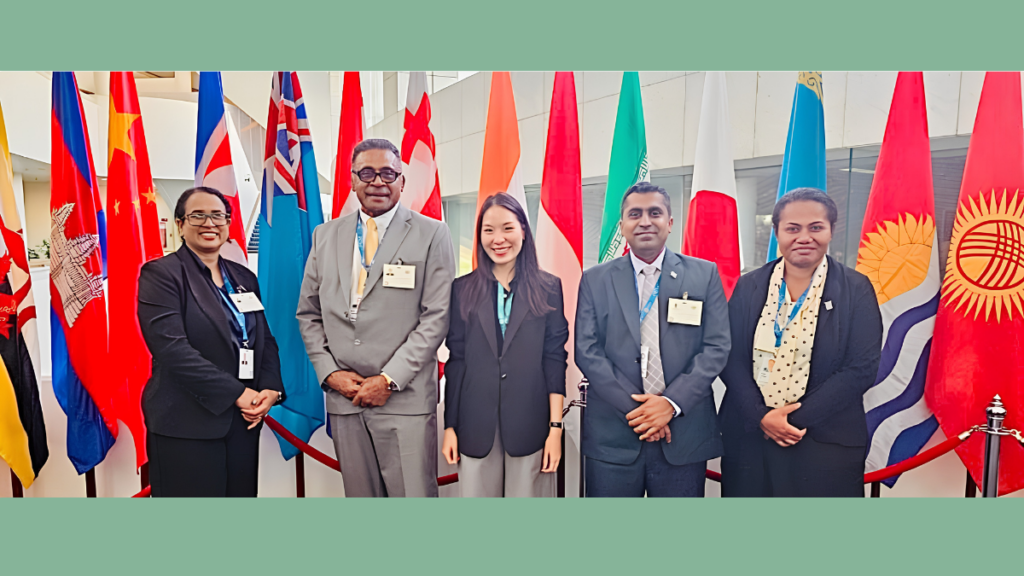
The Minister for Finance, Hon. Esrom Immanuel, participated in a Joint Governors Meeting of the IMF-WBG South East Asia Constituency and key speaker at the Pacific Islands High-Level Roundtable Meeting with IMF Managing Director, Ms Kristalina Georgieva, on Day 3 of the IMF and World Bank Annual Meetings in Bangkok, Thailand.
Pacific policymakers are calling on the International Monetary Fund (IMF) to support with more flexible, development-sensitive fiscal frameworks and predictable concesisonal financing to help small island economies withstand an unprecedented series of global economic shocks.
The region faces an increasingly complex environment, driven by geopolitical conflicts, energy shocks, persistent inflation, high debt burdens and the escalating costs of climate change.
Minister Immanuel in his statement addressing the IMF Managing Director, highlighted the growing difficulty of balancing fiscal consolidation with urgent infrastructure and social development needs.
He outlined three critical priorities for IMF collaboration that includes:
(i) Flexible Fiscal Frameworks: Crafting tailored pathways to rebuild fiscal buffers without sacrificing essential investments in climate resilience, health, education, and social protection;
(ii) Securing stronger access to timely, affordable and concessional funding, alongside integrating disaster-risk financing to prevent the diversion of scarce development resources during crises; and
(iii) Expenditure Efficiency: Improving public financial management, cutting waste, and fostering a competitive private sector to reduce the long-term burden on public finances.
Pacific leaders emphasized that cutting spending indiscriminately risks undermining long-term economic recovery and growth, making practical guidance from the IMF more crucial than ever.
Furthermore, the Hon Minister while speaking at the joint constituency meeting with IMF and WBG highlighted key pillars for action including:
(i) access to World Bank funding and private capital must be scaled for small and medium-sized economies to overcome severe market constraints;
(ii) the Bank must accelerate concessional financing, lower transaction costs and ensure country graduation processes remain entirely voluntary and country-driven; and
(iii) digital innovation and Artificial Intelligence must be leveraged to mitigate Fiji’s skilled labor shortages and outward migration, boosting productivity across tourism, agriculture, health and education.
The statement concluded with a call for sustained investment in climate adaptation, robust digital infrastructure, and inclusive AI governance to ensure remote and rural Pacific communities are not left behind by the global digital transition.