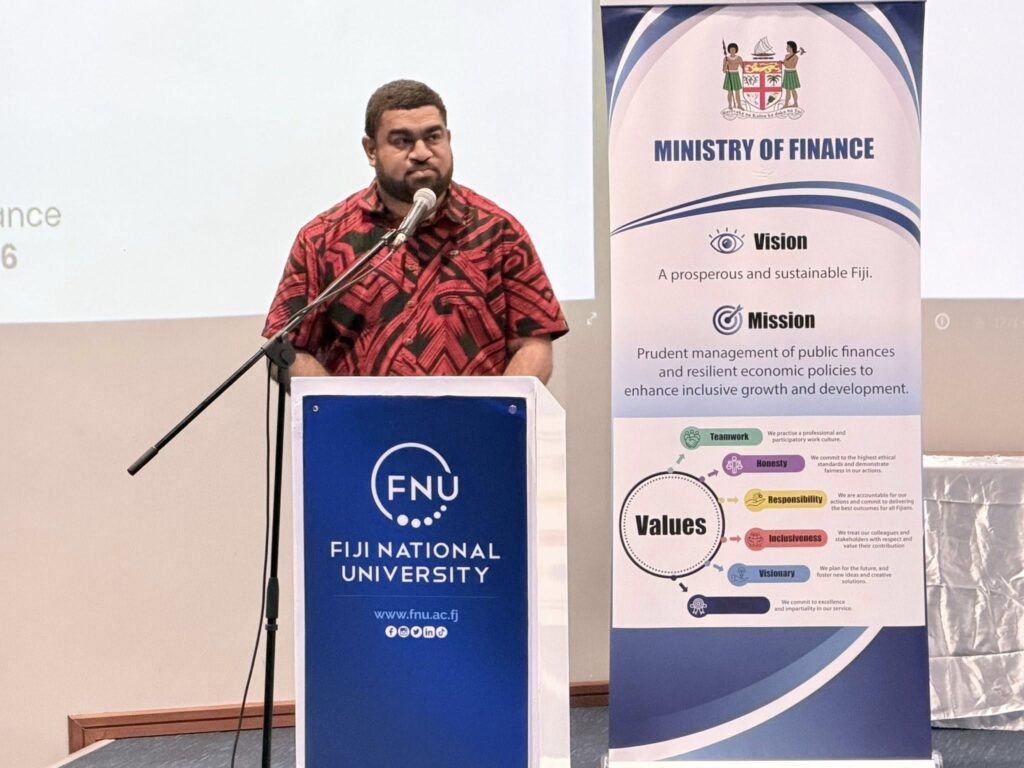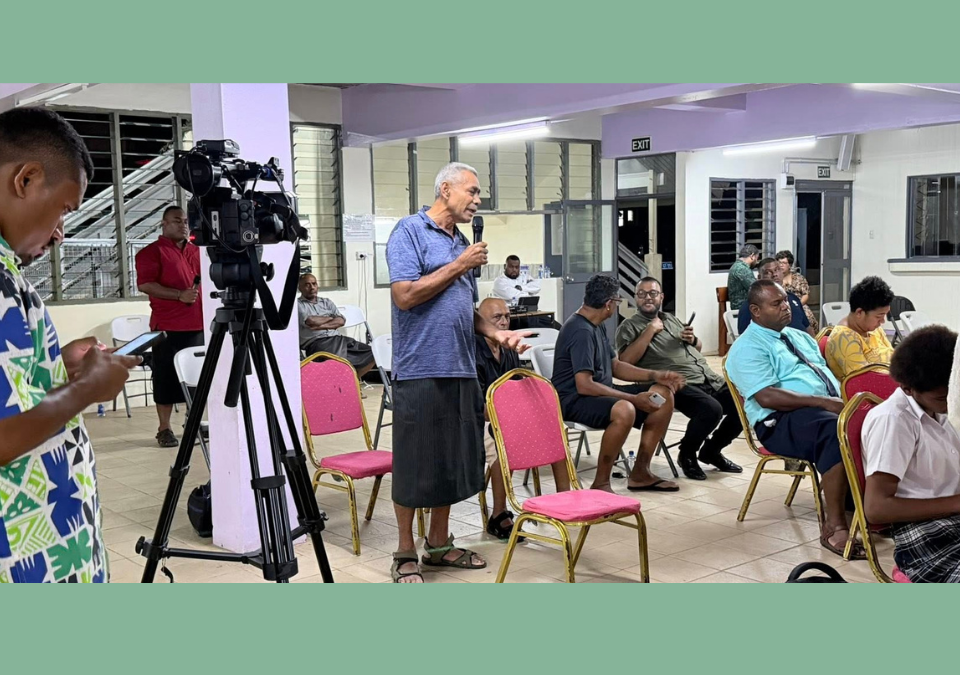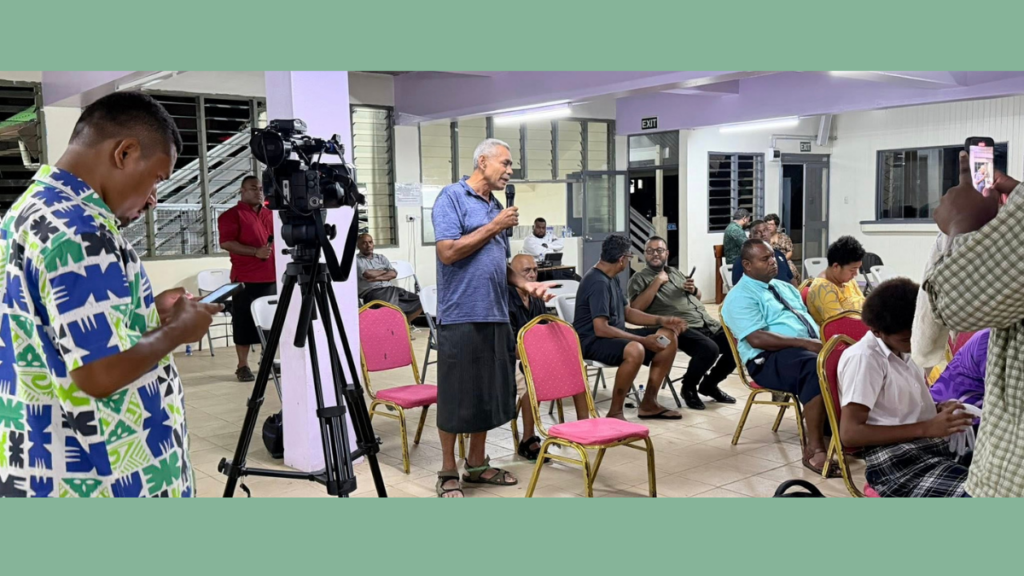
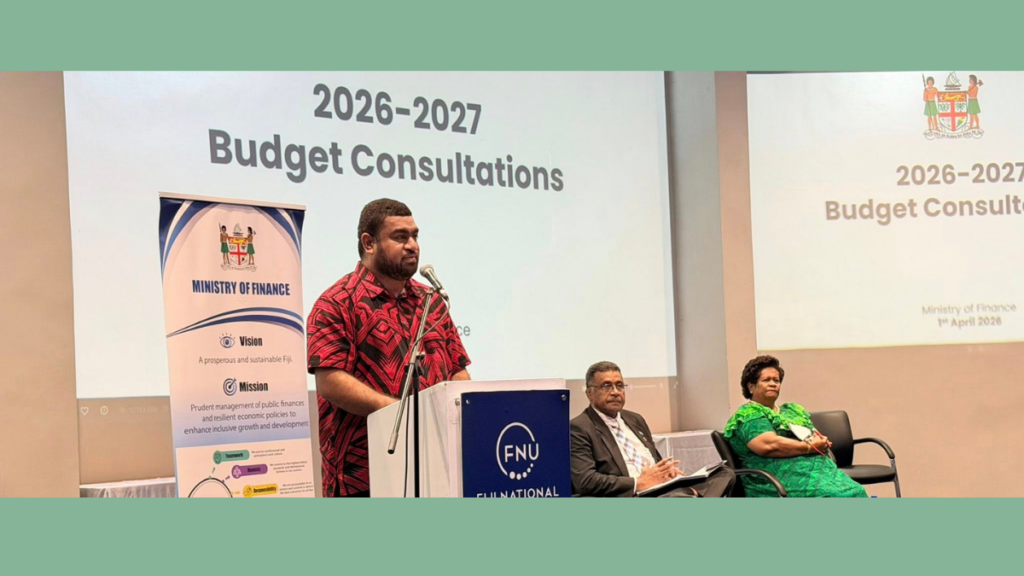
The Fijian Government continued consultations for the 2026–27 National Budget at FNU’s Nasinu Campus, engaging students, academics, and members of the public on key national priorities.
Discussions centred on the rising cost of living, including fuel prices, wages, housing affordability, and daily traffic congestion along the Suva–Nausori corridor. Participants highlighted the financial strain on households and called for targeted interventions to ease commuting costs and improve traffic flow.
Government outlined its ongoing support for the agriculture sector, particularly rice production and processing, aimed at strengthening food security and reducing reliance on imported rice. Plans to adopt modern farming technologies and expand production into new regions were also noted.
Healthcare was a major focus, with government reaffirming increased investment in service delivery. This includes public-private partnerships to improve hospital management, funding for outsourced diagnostic services, and plans for new and upgraded medical facilities. Addressing HIV, drug-related issues, and mental health challenges remains a priority.
Housing concerns were also raised, with calls for better regulation and increased supply to address rising rental costs. Government acknowledged supply constraints and pointed to ongoing efforts to unlock land for development and support more affordable housing options.
Environmental issues, particularly pollution and plastic waste, featured prominently, with suggestions for stronger policy action, including levies on high-volume plastic producers.
Government also addressed concerns around public debt, noting that economic growth remains central to maintaining fiscal stability, while reforms across key sectors are being progressed despite capacity challenges.
The consultation concluded with government encouraging continued public participation and submissions, as it works towards delivering a responsive and inclusive national budget.